For much of the past decade, technology innovation has been dominated by software.
Smartphones, cloud computing, social media and artificial intelligence have transformed the digital world.
Now, the next wave is increasingly focused on something more physical.
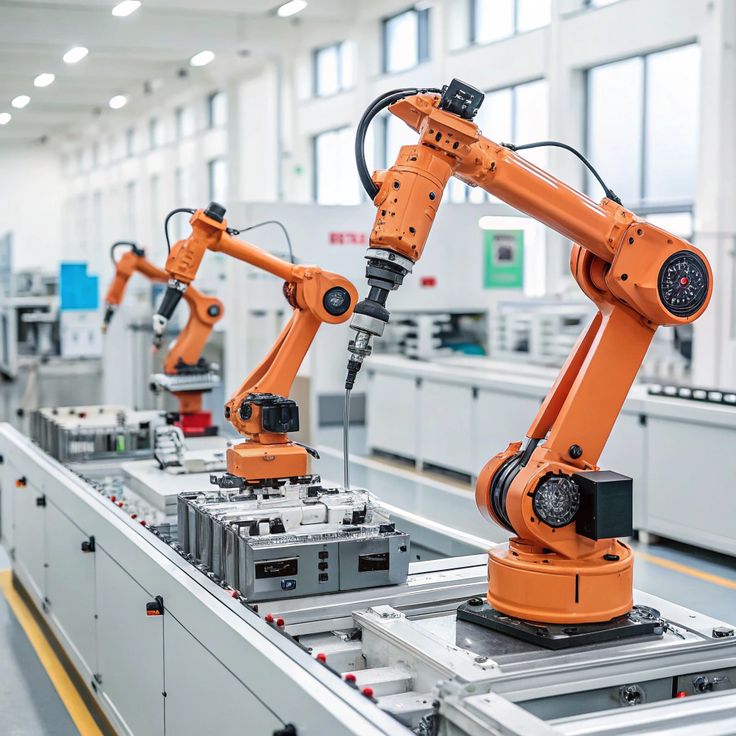
Robots.
Advanced energy systems.
Biotechnology.
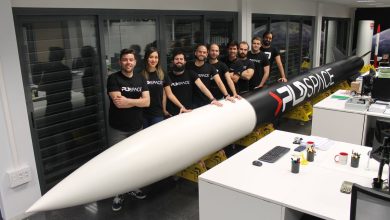
Space technology.
New materials.
The World Economic Forum’s 2026 Technology Pioneers list reflects that shift, highlighting companies working on technologies ranging from nuclear fusion and lunar resource extraction to neurosurgical robotics and post-quantum cybersecurity.
The trend represents a growing movement towards what is often described as “deep tech”.
These are technologies built around significant scientific or engineering breakthroughs rather than simply new software applications.
Deep technology companies are generally harder and more expensive to build.
Creating a new social media app may require talented developers and servers.
Creating a fusion energy system, medical robot or quantum processor can require years of scientific research, specialised equipment and enormous amounts of capital.
But the potential impact can also be much greater.
Software has transformed how people communicate and access information.
Deep technology could transform how people produce energy, manufacture products, treat disease and explore space.
The growing interest in robotics is one example.
AI is increasingly giving machines the ability to understand their surroundings and respond to changing conditions.
This could allow robots to move beyond repetitive factory tasks into more complex environments.
Healthcare is another major area.
New technologies are allowing companies to develop robotic surgical systems, advanced diagnostics and AI-assisted drug discovery platforms.
In energy, startups are working on technologies that could make renewable power more efficient or eventually make nuclear fusion commercially viable.
The growing interest in these areas is also changing how investors think.
For years, software companies were particularly attractive because they could grow quickly without requiring factories or large amounts of physical infrastructure.
Deep technology is different.
It can take longer to develop and may involve significant technical risk.
But governments and investors are increasingly recognising that some of the world’s biggest challenges cannot be solved by software alone.
Climate change requires new energy and industrial technologies.
Ageing populations require innovation in healthcare.
Food security requires new agricultural systems.
Manufacturing competition requires better automation.
The result is a growing convergence between science, engineering and entrepreneurship.
The companies leading the next wave of innovation may look very different from the startups that defined the previous one.
Their founders may include physicists, biologists and engineers alongside software developers.
Their products may take years to build.
And their first customers may be governments, hospitals, factories and research institutions rather than ordinary smartphone users.
The World Economic Forum’s 2026 list reflects that wider shift.
The next generation of technology pioneers is not focused on one industry.
It is experimenting across the physical foundations of modern society.
That may ultimately be the most important innovation trend of the decade.
Technology is leaving the screen.
The next generation of companies may not simply change what people see online.
They could change what is possible in the physical world.