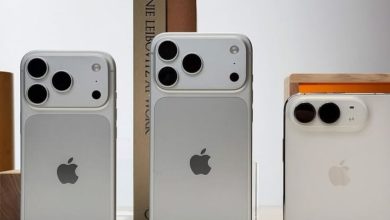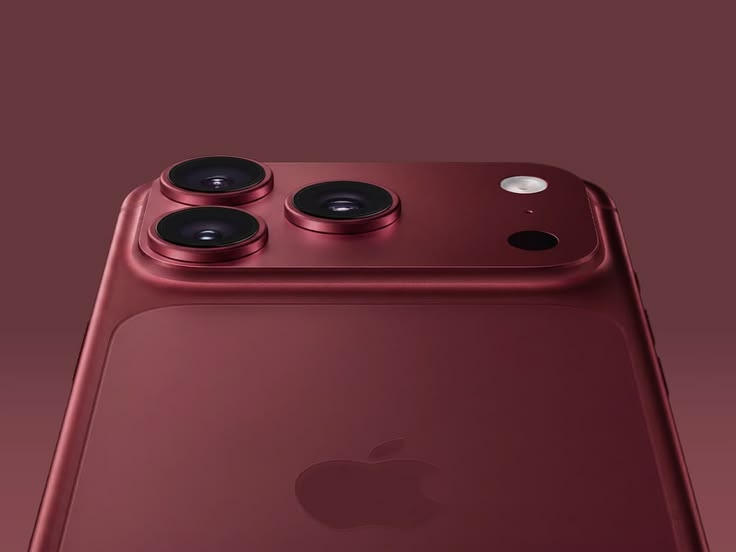
The first detailed real-world camera tests of Apple’s iPhone 18 Pro are now appearing, giving photographers a closer look at the new hardware after Apple’s latest flagship officially reached reviewers.
Professional photographer Tyler Stalman has published an extensive field test examining the iPhone 18 Pro’s new camera system, including its variable aperture, manual controls, photographic styles and other camera features.
The biggest change is Apple’s new variable-aperture system.
Instead of operating with a fixed aperture like previous iPhone cameras, the iPhone 18 Pro allows users to adjust the aperture across multiple settings.
That gives photographers additional control over exposure and depth of field.
It also makes the camera behave more like a traditional interchangeable-lens camera in certain situations.
Stalman’s testing took place in Colorado, where he spent a week photographing different environments using the iPhone 18 Pro.
The test examined not only the specifications but also the practical question that matters most to photographers: does the new technology actually improve the photos?
Apple has also introduced additional controls and features designed to give users more creative options.
These include improved Photographic Styles, manual controls and Focus Tracking.
The company has also introduced Apple Reference Image, a system intended to help photographers achieve more consistent colour and image processing.
The changes reflect Apple’s attempt to make the iPhone more attractive to serious photographers and filmmakers.
Smartphones have already replaced compact cameras for a huge number of consumers, but professional photographers have generally continued to rely on dedicated cameras because of their greater control and flexibility.
Apple’s latest camera system is another attempt to narrow that gap.
The iPhone 18 Pro also benefits from a new A20 Pro processor and improved thermal management, giving the device additional processing capacity for photography and video.
However, camera hardware is only one part of the equation.
The final quality of an image depends on the lens, sensor, software processing and the photographer’s decisions.
That is why real-world testing is particularly important.
Specifications can tell consumers what a camera is capable of, but field tests reveal how those capabilities actually translate into photographs.
Early testing suggests that Apple’s new camera system is a meaningful upgrade, particularly for users who want greater control over their photography.
For casual users, however, the difference may be less significant.
Most people will continue to rely on automatic settings, meaning the benefits of manual aperture control may not be immediately obvious.
For professional creators, the situation is different.
The ability to manually control exposure and depth of field can provide greater creative flexibility and make the phone more useful as part of a professional photography workflow.
The iPhone 18 Pro therefore continues Apple’s gradual move toward giving users more advanced camera tools without sacrificing the simplicity that made smartphone photography popular in the first place