For years, the consumer technology industry followed a familiar pattern.
Every new generation of smartphones came with a faster processor, a better camera and a slightly improved display. Laptops became thinner. Televisions became sharper. Smartwatches gained more features.
The improvements were real, but they were often predictable.
Today, the gadget industry is entering a more interesting phase.
Manufacturers are still competing on performance, design and specifications, but the next generation of consumer technology is increasingly being shaped by artificial intelligence, new chip technology and changing expectations about how devices should fit into everyday life.
The question is no longer simply:
“What can this device do?”
Increasingly, consumers are asking:
“What can this device do for me?”
AI Is Changing the Role of the Device
Artificial intelligence is becoming one of the biggest forces influencing modern consumer technology.
For years, AI mostly operated quietly in the background of devices.
It helped cameras recognise scenes, improved battery management and powered voice assistants.
Now, technology companies are beginning to position AI as a more visible part of the user experience.
Modern smartphones and computers are increasingly being designed with specialised processors capable of handling certain AI tasks directly on the device.
That shift could have important implications.
Instead of sending every request to a remote server, some AI features can be processed locally.
This could improve speed, reduce reliance on an internet connection and potentially provide greater privacy for certain tasks.
It may also change how consumers interact with their devices.
AI could help organise information, summarise content, improve photographs and automate repetitive tasks without requiring users to constantly switch between different apps.
The challenge for manufacturers will be making those features genuinely useful.
Consumers have seen plenty of technology demonstrations.
What they want are features that make everyday life easier.
Smartphones Are Looking for Their Next Big Leap
The smartphone remains one of the most important pieces of technology in modern life.
But it is also one of the most difficult products to reinvent.
Most smartphones already have high-quality cameras, powerful processors and excellent displays.
For manufacturers, simply making the next device slightly better may no longer be enough to convince people to upgrade.
This is why companies are increasingly experimenting with new designs.
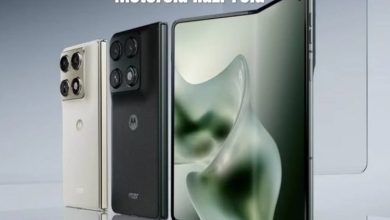
Foldable phones, for example, are attempting to change the physical relationship between smartphones and larger-screen devices.
Instead of carrying both a phone and a tablet, users can potentially have one device capable of performing both roles.
The technology is still developing, and the devices remain relatively expensive, but the idea reflects a wider trend.
Hardware companies are looking for ways to create genuinely different experiences rather than simply improving existing specifications.
The Chip Behind the Gadget Matters More Than Ever
One of the most important parts of modern technology is also one of the least visible.
The processor.
From smartphones and laptops to gaming consoles and smart devices, modern gadgets depend on increasingly powerful and efficient chips.
The demand for AI is making this even more important.
New types of processors are being developed specifically to handle AI-related tasks more efficiently.
This means the competition between technology companies is not only happening at the level of the finished gadget.
It is also happening deep inside the device.
The companies capable of developing or accessing the most advanced chip technology may have a significant advantage.
Consumers may never see the processor.
But they will notice what it allows their devices to do.
Gadgets Are Becoming More Personal
Technology is also becoming increasingly personal.
Wearable devices can track movement, sleep and physical activity.
Smartphones carry enormous amounts of information about their owners.
Wireless earbuds can now include features that extend beyond simply playing music.
The next generation of gadgets may become even more connected to individual habits and routines.
That could create more useful experiences.
A device may eventually understand how someone works, when they travel, what information they regularly need and which tasks they repeat every day.
But it also raises important questions about privacy.
The more personal technology becomes, the more data it may need to collect.
Consumers are therefore likely to become increasingly interested in understanding what their devices know about them and where that information goes.
Sustainability Is Becoming Part of the Hardware Conversation
For many years, technology companies encouraged consumers to upgrade regularly.
A newer device meant a faster device.
But the environmental impact of constantly replacing hardware is becoming more difficult to ignore.
Manufacturers are increasingly being pressured to improve repairability, extend software support and use more sustainable materials.
Consumers are also becoming more willing to keep devices for longer.
This could gradually change the gadget industry.
Instead of relying entirely on frequent upgrades, manufacturers may need to compete more heavily on durability and long-term value.
A great gadget may no longer simply be the one with the most impressive features at launch.
It may be the one that remains useful several years later.
The Future May Be Less About Owning More Devices
For years, the consumer technology industry has encouraged people to own more gadgets.
A phone.
A laptop.
A tablet.
A smartwatch.
Wireless earbuds.
A smart speaker.
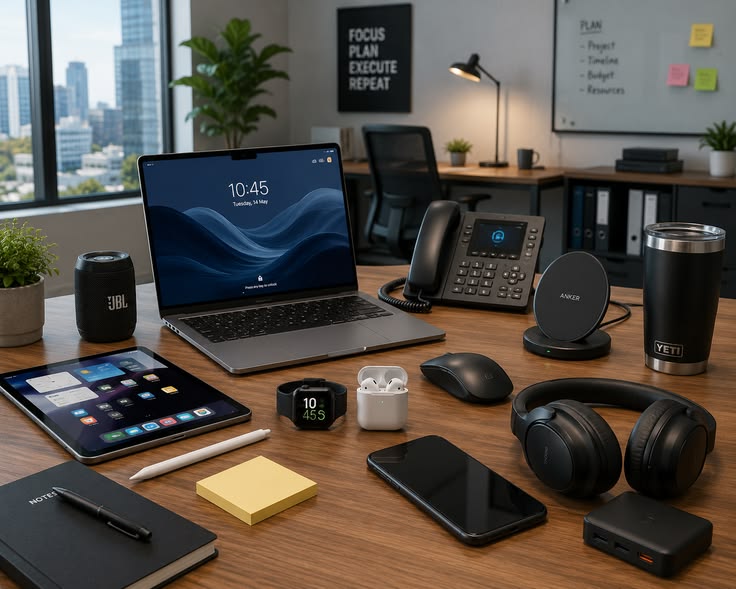
The next phase may be more focused on how well those devices work together.
Consumers are increasingly expecting seamless experiences.
They want information to move easily between devices.
They want accessories to connect instantly.
They want their technology to understand what they are trying to do without requiring endless setup.
The companies that can create those connected ecosystems may have a major advantage.
The future of consumer hardware may therefore not depend entirely on creating one revolutionary gadget.
It could depend on creating a collection of devices that feel like one connected experience.
The Hardware Industry Is Becoming Interesting Again
For a while, consumer technology began to feel predictable.
Every year brought new versions of familiar products.
Some were better.
Some were faster.
Few felt genuinely different.
That is beginning to change.
Artificial intelligence, new chip technology, foldable devices and increasingly connected ecosystems are creating opportunities for hardware companies to rethink what consumer technology can look like.
The biggest question is whether those changes will produce gadgets people genuinely need—or simply more features that look impressive during a product launch.
Because consumers have become harder to impress.
A new camera is nice.
A faster processor is useful.
But the next generation of successful gadgets may need to offer something more.
They may need to make technology feel less like another device—and more like a natural part of everyday life.