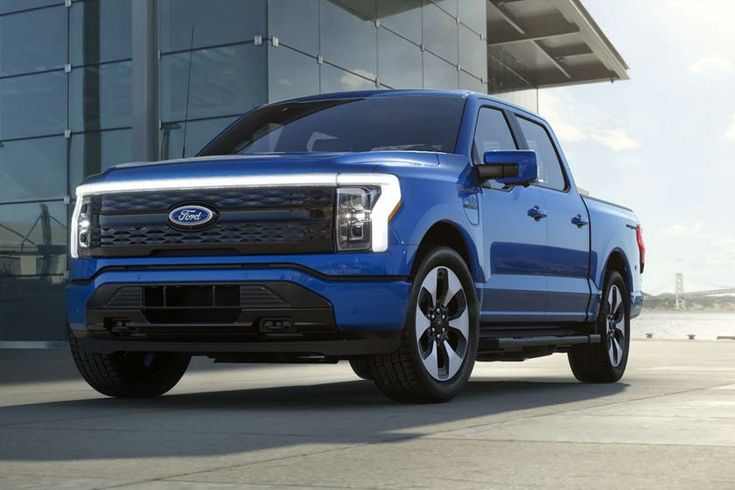
Ford is attempting to make electric vehicles more affordable with the introduction of the Fathom, a new electric truck designed to bring battery-powered transportation closer to the mainstream market.
The vehicle is expected to start at around $28,350, placing it well below many of the electric trucks currently available.
The move reflects a growing challenge for the global automotive industry.
While electric vehicle technology has improved rapidly, affordability remains one of the biggest barriers to widespread adoption.
Many electric trucks and SUVs remain significantly more expensive than petrol-powered alternatives.
Ford’s strategy appears to be based on reducing that gap.
The Fathom is part of a broader industry effort to create EV platforms that are cheaper to manufacture and easier to scale.
For years, carmakers have focused heavily on premium electric vehicles, where higher prices could help cover the enormous cost of battery technology and research.
That strategy helped establish the EV market.
But it has also created a problem.
Mass adoption will likely depend on vehicles that ordinary consumers can realistically afford.
Ford’s proposed price point therefore makes the Fathom an important experiment.
A truck priced below $30,000 could potentially compete with a much wider range of traditional vehicles.
The question is what compromises will be required to reach that price.
Affordable electric vehicles need to balance several competing demands.
Consumers want long driving ranges.
They want fast charging.
They want large interiors and useful technology.
Manufacturers, meanwhile, need to control the cost of batteries and other components.
Achieving all those goals at a lower price is difficult.
Ford’s efforts also come at a time when the automotive industry is facing increasing competition from Chinese electric vehicle manufacturers.
Chinese companies have become particularly successful at producing lower-cost EVs by combining large-scale manufacturing with increasingly mature battery supply chains.
Western carmakers are now under pressure to demonstrate that they can compete.
The challenge is not simply producing an electric vehicle.
It is producing one at a price that can attract millions of buyers.
Affordable EVs could also have major implications beyond the automotive industry.
More electric vehicles would increase demand for charging infrastructure.
Cities may need to adapt parking areas and public facilities.
Electricity networks could also face increased pressure as more transportation shifts away from petrol and diesel.
The truck market is particularly interesting.
Pickup trucks are extremely popular in parts of North America, but they also tend to require large batteries because of their size and weight.
Creating a genuinely affordable electric truck is therefore one of the more difficult engineering challenges in the industry.
Ford’s Fathom could become an important test of whether EV technology has reached a stage where manufacturers can begin moving beyond premium customers.
The success of the vehicle will depend on more than its starting price.
Consumers will want to know how far it can travel, how quickly it charges and how it performs in real-world conditions.
But the direction of the market is becoming increasingly clear.
The next major stage of the EV revolution may not be about building the most expensive and powerful electric vehicle.
It may be about building one that millions of people can actually buy.