Ford is exploring a deeper relationship with Apple technology as it prepares the next generation of its electric vehicle strategy, highlighting how the boundaries between the automotive and consumer technology industries continue to disappear.
Modern cars are increasingly becoming computers on wheels.
They contain advanced processors, software platforms, cameras, sensors and constantly connected digital services.
As electric vehicles become more sophisticated, traditional carmakers are being forced to think more like technology companies.
That shift is creating opportunities for companies that once operated in completely different industries.
Apple has spent years building an ecosystem of hardware and software around the iPhone, Mac, Apple Watch and other devices.
The possibility of Ford expanding its relationship with that ecosystem could help the carmaker make its vehicles feel more connected to the technology customers already use every day.
For consumers, integration is becoming an increasingly important part of buying a car.
People expect their vehicles to connect easily with their smartphones.
They want navigation, music, messaging and other services to work without complicated setup processes.
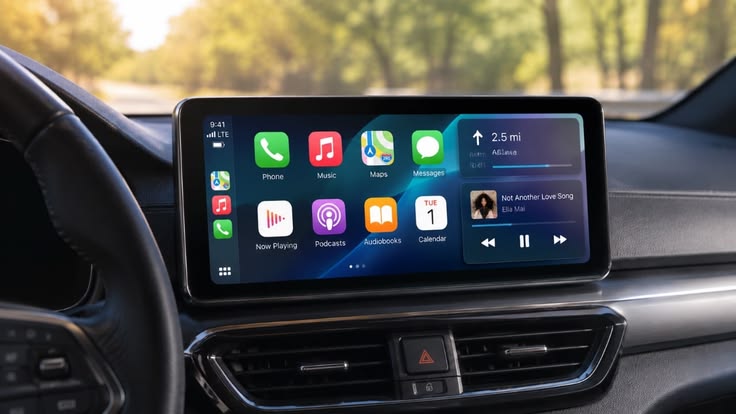
Apple’s CarPlay platform has already become a familiar part of many vehicles.
But the automotive industry is now debating how deeply technology companies should be allowed to enter the dashboard.
Some car manufacturers have expressed concern about allowing Apple and Google to control too much of the in-car software experience.
The companies worry that they could lose direct relationships with customers if the vehicle becomes primarily an interface for someone else’s ecosystem.
Ford’s approach therefore reflects a difficult balance.
The company needs to deliver the digital experience consumers increasingly expect.
At the same time, it needs to maintain control over the vehicle itself.
That tension is likely to define the next generation of electric cars.
Traditional carmakers understand manufacturing, engineering and vehicle safety.
Technology companies understand software ecosystems and digital services.
The future of transportation may require both.
Apple has also long been linked to ambitions within the automotive industry.
Although the company’s own vehicle ambitions have evolved over the years, its influence on the sector continues to grow through software, mobile devices and connected services.
For Ford, building closer connections with major technology ecosystems could make its future electric vehicles more attractive to consumers already invested in Apple’s products.
The strategy could also help simplify the transition to electric transportation.
For many consumers, switching from a petrol car to an EV involves learning about charging networks, battery management and new digital systems.
Familiar technology interfaces could make that transition feel less intimidating.
The broader trend is clear.
The car of the future will not be judged only by its engine or battery.
Consumers will increasingly judge it by its software.
How well does the navigation work?
How easily does it connect to other devices?
How often does it receive updates?
Can new features be added after purchase?
These questions are becoming just as important as horsepower and fuel economy.
Ford’s interest in closer technology partnerships demonstrates how quickly the automotive industry is changing.
The most successful car companies of the next decade may not simply be the ones that build the best vehicles.
They may be the ones that build the best digital ecosystems around them.
And increasingly, that could mean working with the technology companies that already control much of consumers’ digital lives.