Artificial intelligence companies are searching for better ways to make their systems useful in real workplaces. One emerging approach involves acquiring real-world business data, including emails, workplace messages and internal documents, to help train AI systems to perform office tasks.
A report published by Business Insider on October 14 describes a growing market for workplace data. Brokers are reportedly offering datasets from companies that are still operating as well as businesses that have shut down. Some deals can involve substantial sums, reflecting the increasing demand for information that helps AI systems understand how people actually work.
The development raises an important question: when an employee sends a message or writes an internal document, should that information later become part of a commercial AI training dataset?
Why AI Developers Want Workplace Information
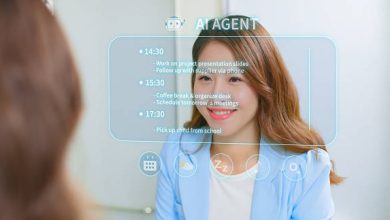
AI systems can already draft emails, summarise documents, organise information and assist with research. Developers building more advanced AI agents want their systems to handle complete tasks, not simply respond to individual questions.
To do that effectively, AI needs examples of how work happens in practice. Workplace messages can reveal how teams communicate, how managers delegate responsibilities, how employees solve problems and how decisions move through an organisation.
This makes business data valuable. Public internet content may teach a model general information, but real workplace records can offer context about the practical steps involved in completing professional tasks.
As companies compete to build AI assistants capable of carrying out more complex office work, demand for these datasets is growing. The commercial opportunity is significant, but the data may also contain confidential information that was never intended for use outside the original organisation.
The Employee Privacy Problem
Workplace information can include much more than harmless conversations. Emails and internal messages may contain customer details, financial information, business strategies, personal circumstances and confidential discussions.
Removing names from a dataset does not always guarantee anonymity. People may be identifiable through combinations of details, writing patterns, job roles or references to particular events.
There is also the question of consent. Employees may reasonably expect that messages sent through an internal workplace platform will be used to conduct business. They may not expect those messages to be sold to third parties for AI development.
Employers also face risks if sensitive information is transferred without adequate legal review or security protections. Depending on the jurisdiction and the information involved, data protection laws, employment agreements and confidentiality obligations may apply.
What Businesses Should Consider
Organisations should establish clear policies governing how internal information can be shared with AI providers and data brokers. Before approving any transfer, they should determine what the dataset contains, who will receive it, how it will be secured and whether the intended use is legally permitted.
Employees should receive understandable information about workplace data practices. Where consent or another legal basis is required, companies should not treat a broad internal technology policy as automatic permission for every possible use.
Businesses developing AI tools should also consider whether they can achieve their goals using synthetic data, carefully anonymised examples or purpose-built datasets that avoid exposing unnecessary personal information.
The Future of Work Data
Workplace data could help AI assistants become more capable and useful. Better training information may eventually allow these systems to reduce repetitive administrative work and help employees spend more time on complex tasks.
But productivity gains should not come at the cost of trust. Companies need to balance the commercial value of data with employees’ reasonable expectations of privacy and confidentiality.
As the market grows, workplace information is becoming an asset that deserves careful governance. Organisations that handle it responsibly will be better positioned to benefit from AI without creating avoidable legal, security and reputational problems.