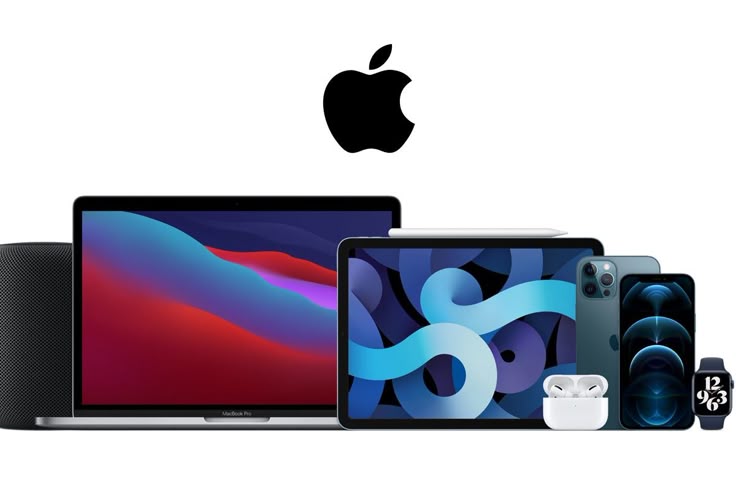
Apple is increasing its inventory levels as it prepares for what CEO Tim Cook has described as significant supply constraints, with the global boom in artificial intelligence placing increasing pressure on the components used to build consumer technology.
The company is facing rising costs and potential shortages for key hardware components, particularly advanced memory used across products including iPhones and Macs. The growing demand for AI infrastructure has intensified competition for components that were once primarily associated with consumer electronics.
The situation demonstrates how artificial intelligence is beginning to affect far more than data centres.
The AI boom has created enormous demand for high-performance computing hardware.
Technology companies building large AI systems need huge amounts of advanced memory and processing capacity.
As demand increases, consumer hardware manufacturers can find themselves competing for the same components.
Apple’s response has been to build inventory while it still can.
The company reported strong growth in both iPhone and Mac sales, but warned that supply constraints could become increasingly important.
Memory costs have also become a growing concern, potentially putting pressure on the profitability of hardware products.
For consumers, the situation could eventually have consequences.
If components become more expensive, manufacturers have several options.
They can absorb the higher costs and accept lower profit margins.
They can redesign products.
Or they can increase prices.
Apple’s ability to manage its supply chain has long been one of the company’s major strengths.
The company works with suppliers across multiple countries and has historically used its enormous purchasing power to secure access to components.
But even Apple is not immune to broader industry shortages.
The current challenge is particularly interesting because it shows how interconnected modern technology has become.
A surge in demand for AI servers can influence the price of memory used in laptops.
Investment in data centres can affect the availability of components used in smartphones.
The same global supply chains increasingly support both enterprise computing and consumer technology.
Apple’s decision to stockpile inventory is therefore a defensive move.
The company is attempting to protect its ability to manufacture and sell products even if component availability becomes more limited.
The strategy may also help Apple avoid sudden disruptions around major product launches.
However, maintaining larger inventories can also be expensive.
Technology changes quickly.
A company holding too much of the wrong component can face problems if demand changes or newer hardware designs require different parts.
That means Apple will need to carefully balance security of supply against the risk of holding unnecessary inventory.
The wider concern is whether the AI boom is creating a new era of competition for computing resources.
The first AI race was largely about software and models.
The next one is increasingly about physical infrastructure.
Data centres need chips.
Chips need memory.
Memory requires specialised manufacturing.
The companies that control those supply chains may become increasingly important.
For consumers, the consequences may not be immediately obvious.
A smartphone may still look like a smartphone.
A laptop may still look like a laptop.
But behind the scenes, the cost of producing those devices could increasingly be influenced by the global race to build artificial intelligence.
Apple’s warning is therefore about more than one company’s supply chain.
It is a reminder that the AI revolution is becoming a hardware story too.
And as the demand for advanced computing continues to grow, the companies producing everyday consumer devices may find themselves competing with the world’s largest technology companies for the same limited resources.