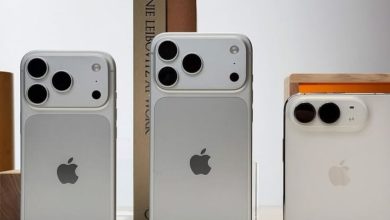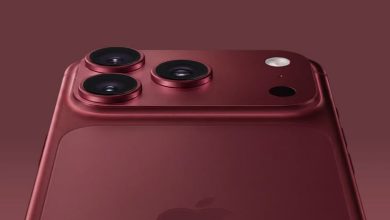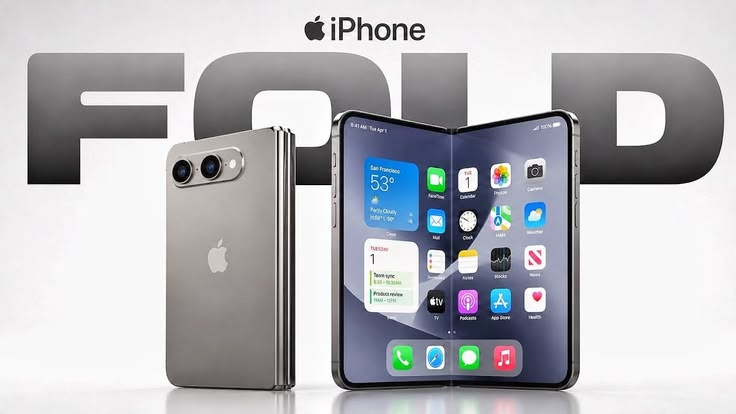
Apple is preparing to enter one of the most interesting areas of the smartphone market as the company is expected to unveil its first foldable iPhone during its September product event.
The move would represent one of the biggest changes to Apple’s smartphone strategy since the original iPhone was introduced in 2007.
Foldable smartphones are not new. Samsung, Huawei, Google and several Chinese manufacturers have already spent years developing devices with flexible displays. Apple, however, has remained on the sidelines while competitors experimented with different designs and form factors.
That could change this year.
Reports ahead of Apple’s September 9 event indicate that the company is expected to introduce a foldable iPhone alongside its conventional iPhone 18 lineup. The device has reportedly been designed to open into a larger screen while remaining relatively compact when closed.
The reported design would give Apple a presence in the premium foldable market, where Samsung has been one of the dominant players.
A very different iPhone
The anticipated foldable iPhone is expected to use a book-style design rather than the smaller flip-phone format used by devices such as Samsung’s Galaxy Z Flip.
Reports suggest the unfolded display could measure approximately 7.8 inches, compared with a roughly 5.5-inch external display when the phone is closed. That would effectively allow the device to function somewhere between a conventional smartphone and a small tablet.
That distinction could be important.
One of the biggest problems with foldable smartphones has always been convincing consumers that the additional screen is worth the extra cost and complexity.
Apple’s approach could therefore focus heavily on making the experience feel practical rather than simply demonstrating that the screen can fold.
The company is also reportedly expected to make compromises to achieve the thin design. One report suggests that the foldable model could use Touch ID rather than Face ID, while its price could exceed $2,000.
That would make it significantly more expensive than Apple’s conventional iPhone models.
Apple is entering a market that has already evolved
The timing is particularly interesting because Apple is not entering an experimental market anymore.
Samsung has already released several generations of foldable smartphones. Huawei has pushed the technology even further with tri-fold devices, while Xiaomi and other Chinese manufacturers continue to compete aggressively on hardware and pricing.
Just this week, Huawei launched its new Mate XT2 series, while Xiaomi introduced its Xiaomi 18 Fold ahead of Apple’s event. Huawei’s tri-fold device starts at around $2,980, demonstrating how manufacturers are increasingly treating foldables as premium flagship products.
Apple therefore arrives at a market where consumers have already seen several generations of competing designs.
But Apple’s greatest advantage may not necessarily be the hardware itself.
It could be the company’s ecosystem.
An iPhone that integrates seamlessly with Apple’s existing services, accessories, computers, tablets and software could make the foldable format more appealing to existing Apple customers.
Could foldables finally become mainstream?
Foldable smartphones remain a relatively small portion of the overall mobile-phone market.
One reason is price.
Flexible displays, specialised hinges and the engineering required to make a device durable all increase manufacturing complexity. Consumers also remain concerned about screen durability and whether the benefits justify paying significantly more.
Apple’s entrance could change that perception.
The company has historically entered markets after competitors have spent years developing the technology, then attempted to make the category easier for mainstream consumers to understand.
The original iPhone was not the first smartphone. The Apple Watch was not the first smartwatch. Yet Apple’s products helped push both categories into the mainstream.
The same could happen with foldable phones.
If Apple succeeds in making the technology feel reliable, intuitive and genuinely useful, other manufacturers could face greater pressure to improve their own foldable products.
A new chapter for smartphones
The smartphone market has become increasingly mature.
Most modern phones already offer high-quality cameras, fast processors, large displays and sophisticated software. That makes it harder for manufacturers to persuade consumers to upgrade every year.
New form factors could provide one way to change that.
A foldable iPhone gives Apple an opportunity to create a new premium category while offering consumers something visually and functionally different from the standard smartphone.
Whether customers are willing to pay for it remains to be seen.
But Apple’s decision to enter the foldable market is significant regardless.
After nearly two decades of largely familiar iPhone designs, the company appears ready to experiment with a fundamentally different form.
The smartphone may finally be preparing to change shape.