Tesla has finally revealed its redesigned Roadster, presenting an electric sports car with ambitious performance claims and a series of dramatic demonstrations designed to capture attention beyond the traditional electric vehicle market.
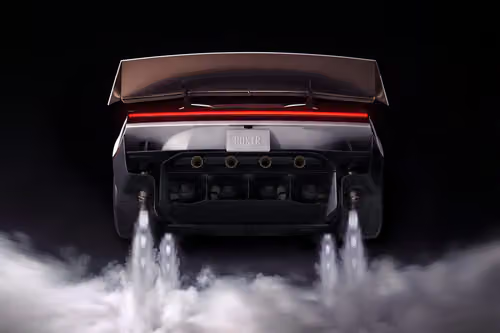
Unveiled on October 15, the new Roadster features rocket-style thrusters developed in collaboration with SpaceX. Tesla says production is expected to begin in 2028, extending a wait that has lasted years since the company first introduced plans for a next-generation version.
The reveal puts Tesla’s engineering ambitions back in the spotlight as the company continues to develop electric vehicles, autonomous driving technology and robotics.
A Sports Car With an Unusual Twist
The most striking feature of the new Roadster is its proposed use of rocket-style thrusters. During the unveiling, the vehicle demonstrated unusual manoeuvres, including turning in the air and jumping over obstacles. It also used a suction system to drive upside down on a ramp.
These demonstrations made the event look more like a technology showcase than a conventional car launch. However, impressive demonstrations are not the same as independently verified performance under everyday driving conditions.
Tesla has previously made ambitious promises about the Roadster, so prospective buyers will be watching closely to see which features make it into the production vehicle.
The company has claimed acceleration from zero to 60 miles per hour in less than a second and a top speed exceeding 230 mph. These figures remain claims associated with the announced vehicle rather than independently confirmed results from a production model.
Why the Roadster Matters to Tesla
The Roadster is unlikely to become Tesla’s main source of vehicle sales because it targets a much smaller market than the company’s more affordable models.
Its importance is largely symbolic. A high-performance sports car gives Tesla an opportunity to demonstrate its engineering capabilities and strengthen its brand image among technology enthusiasts.
The reveal also arrives as Tesla places increasing emphasis on autonomous driving and robotics. The company is developing technologies that could eventually reshape how its vehicles operate, although commercial success will depend on performance, regulation and customer adoption.
The Long Road to Production
Tesla says the new Roadster is expected to enter production in 2028. That leaves significant time for engineering development, testing and changes to the final specifications.
Questions remain about the cost of the most advanced versions, the practicality of the proposed thruster system and how the car will perform outside controlled demonstrations.
For consumers, the key issue is whether the production model can deliver on its headline promises while meeting the reliability and safety expectations associated with road vehicles.
The new Roadster is an ambitious demonstration of Tesla’s willingness to experiment. Its ultimate success, however, will depend on whether the company can turn an extraordinary presentation into a real vehicle customers can actually buy.