Amazon is expanding its consumer hardware ambitions with two new personal AI devices designed to help people remember conversations, organise tasks and manage everyday commitments.
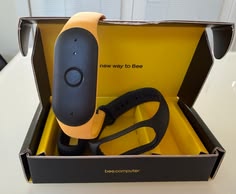
Announced on October 15, the new products come from Bee, the personal AI wearable company Amazon acquired in 2025. The devices include Bee Frontier, a wearable that can be worn on the wrist or pinned to clothing, and Bee Eclipse, a small device that attaches magnetically to a smartphone.
The launch reflects a growing interest in AI products that operate throughout the day rather than waiting for users to open an app and type a question.
A Personal Assistant That Follows You
Bee devices are designed to process conversations and turn useful information into summaries, reminders and action items.
For example, someone discussing a meeting time with a colleague could use the device to help remember the agreed schedule. A student might use it to summarise a lecture, while a professional could use it to track tasks that emerge from conversations.
The devices connect with productivity services such as Gmail, Google Calendar and Microsoft Outlook. Depending on the features and subscription plan, users can receive suggested tasks, draft emails and organise meetings.
Bee Frontier is priced at $74.99, while Bee Eclipse is priced at $99.99. The products are aimed at people who want assistance without repeatedly interacting with a smartphone.
Why Amazon Is Interested
Amazon has long developed hardware that connects users to its digital services, from Echo speakers to Alexa-enabled devices. Bee provides another route into the market for personal assistants, particularly those that capture context and help users act on information later.
Instead of competing only on screen size, processing power or camera quality, these products attempt to make everyday technology more useful through continuous assistance.
That approach could appeal to people who struggle to remember commitments or spend too much time managing messages and schedules. However, the value will depend on how accurately the devices interpret conversations and whether their suggestions are genuinely helpful.
Privacy Remains a Major Question
Devices designed to process conversations naturally raise concerns about consent and privacy.
Amazon says Bee processes audio in real time and does not store raw audio recordings. According to the company, conversation transcripts are encrypted, and users can control when the devices are active and delete stored information.
These safeguards are important, but users should still understand how recording works, what information is retained, which services receive data and whether other people know a conversation is being processed.
The technology may also be less suitable for confidential meetings or environments where recording is prohibited.
Can AI Wearables Become Everyday Essentials?
The success of personal AI hardware will depend on more than the novelty of having a device that remembers conversations. Battery life, accuracy, comfort, cost and privacy protections will influence whether people keep using it after the initial excitement fades.
Amazon’s new products show that the company sees potential in assistants that help people manage their lives in the background. Whether consumers embrace that idea remains to be seen.